

You get the inspection report back, and it’s eight pages long. A repair request list arrives from the buyer’s agent. Your stomach drops. And then a question hits you that nobody warned you about: do you actually have to fix any of this?
The short answer is no. The longer answer is what this article is actually about.
Sellers refuse repair requests every day, and some lose the sale while others close at full price anyway. Knowing which repairs carry real leverage and which ones are just wishful thinking on the buyer’s side is what separates sellers who stay in control from those who panic and write checks they didn’t need to write.
Understanding Who Really Has Power After a Home Inspection
A buyer gets an inspection report and treats it like a to-do list for the seller. This framing feels natural, but it’s wrong. The inspection report belongs to the buyer, informs the buyer, and doesn’t obligate the seller to fix anything that isn’t specifically spelled out in the purchase agreement.
The market decides who holds leverage. As of June 2026, the national median days on market sat at 49 days, up one day year over year, which sounds minor until you realize that more time on market means buyers have more choices and more room to push. Sellers gave buyers a concession in 46.2% of U.S. home sales in May 2026, a record for that month, largely because there are roughly 47% more sellers than buyers nationwide. Sellers are feeling real pressure right now.
NAR’s July 2026 Realtors Confidence Index shows that 12% of contracts had a delayed settlement over the prior three months and 6% were terminated, with inspection problems one cause among several. Those aren’t small numbers when you’ve already moved half your furniture to the new place.
Still, a seller’s legal obligation to repair is almost always zero unless the purchase contract says otherwise. Buyers can ask, sellers can say no, and both parties then decide whether the sale is worth keeping alive.
If you’re tired of negotiating repairs after an inspection, a cash offer may give you a simpler path forward. Contact us to discuss your options and see what we can offer for your home.
Do Sellers Have to Agree to Every Repair Request?
That $300 inspection finding can kill a $400,000 deal if both sides dig in. Sellers do not have to agree to a single repair request.
This is not an aggressive stance. It’s what the law says. The purchase agreement creates the only binding obligations. Outside of lender-mandated repairs tied to government-backed loans, no inspector’s report has legal force over a seller’s actions.
A seller is under no legal obligation to fix anything the inspector flags, or to offer a cent in credits. The inspection contingency gives a buyer the right to ask and the right to walk, but it doesn’t force the seller’s hand.
Sellers who refuse every repair request are making a strategic choice, and that choice has consequences. A buyer who walks takes their earnest money with them, and the seller goes back to square one with a property that now has an inspection report floating around. Depending on state disclosure laws, a seller may be required to disclose known defects to the next buyer. Refusing to fix something doesn’t make it disappear from the record.
The smart move is treating the post-inspection period as a second negotiation, not a battle. Acknowledge the real problems. Ignore the cosmetic noise. Offer a credit where the cost is genuinely uncertain. That posture keeps sales alive without hemorrhaging money on repairs you didn’t budget for.
What Fixes Are Mandatory After a Home Inspection?
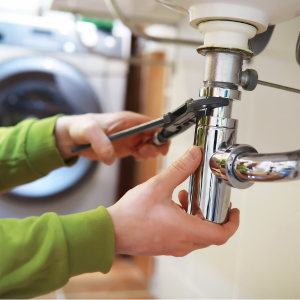
A landlord I worked with early last year had a tenant-occupied house in Columbus, Georgia, with a dated kitchen. The inspector flagged peeling cabinet paint, an aging faucet, and a bathroom exhaust fan that wobbled. The buyer sent over a repair request, and the landlord’s first instinct was to call a contractor. The estimate came back higher than the kitchen renovation he’d done on his own home. We talked him off that ledge fast.
No universal rules force a seller to fix everything flagged on an inspection report. Required repairs depend on three factors: the purchase agreement, local regulations, and lender requirements.
Lender requirements are where things get serious. FHA loans rigidly require the home to meet the government’s specific Minimum Property Standards before an underwriter will clear the file. When an FHA appraiser marks a property “subject to repairs,” the loan cannot close until those items are corrected. This is not a negotiating position. That’s a hard stop. If the buyer is using an FHA loan and the appraiser flags exposed wiring, active roof leaks, or evidence of lead-based paint on a pre-1978 home, those items have to be addressed before the loan closes.
The official FHA appraisal guidelines state clearly that “required repairs are limited to those repairs necessary to preserve the continued marketability of the property and to protect the health and safety of the occupants.” That’s a narrower list than most buyers present. Cosmetic wear doesn’t make that cut.
FHA loans aren’t the only ones with strict rules. VA Minimum Property Requirements include heating adequate for healthful and comfortable living, backed by a permanent system that holds at least 50 degrees Fahrenheit in areas with plumbing, no evidence of pest damage, reliable sewage disposal, and mechanical systems in working order. Conventional financing is more flexible, but active structural damage can still trigger lender conditions that look a lot like mandatory repairs.
What Are Reasonable Repair Requests After a Home Inspection?
What does a buyer legitimately get to ask for? Sellers ask me that question most often.
Reasonable requests center on safety, major systems, and anything the inspector flagged as actively failing. A roof with documented leaks is reasonable. A non-functioning furnace or HVAC system is reasonable. Mold discovered inside walls is reasonable. Plumbing that backs up or drains that don’t drain, reasonable. Termite damage with visible structural compromise (the kind that shows up in photos), absolutely reasonable.
These items share something in common. They affect how the property functions on a basic level, they can be verified by the inspector’s report, and they’re the kind of problems a buyer couldn’t have spotted during a walkthrough. Buyers negotiate an average of $14,000 off the sale price using inspection findings, and the requests that stick are tied to tangible, documented problems, not ones a buyer invented on a slow Tuesday.
Buyers asking for a price credit equal to a licensed contractor’s estimate is also reasonable, especially when repairs involve specialty work like HVAC, roofing, or foundation. This approach tends to move sale forward faster than arguing over who’s going to do the work. Sellers keep control over the money, and buyers stop worrying about whether a seller’s cousin is doing a cut-rate repair job before closing (a real concern with foundation work).
What sellers should do is respond to every request in writing, even if the answer is no. Email creates a paper trail, which means agents can’t play the verbal game of telephone that turns a $1,500 fix into a $6,000 standoff. If you’re looking to sell your house fast in Augusta and other Georgia cities, understanding how inspection negotiations work can help you make better decisions.
What Repair Requests Are Considered Unreasonable by Sellers?
On the other side of that list live requests that sellers have every right to push back on.
Cosmetic items are the most common overreach: scuff marks on baseboards, older appliances that still work, a water heater that’s ten years old but heating perfectly fine, and normal wear and tear on a home that’s been lived in for fifteen years. Buyers sometimes use the inspection report to reload a negotiation they already lost at the offer stage, padding the repair list with items that have nothing to do with the home’s condition.
Sellers should not feel pressured to repaint rooms the buyer doesn’t like, replace windows that are old but functional, or upgrade anything. An inspection is about condition, not preferences. When a buyer asks for a full kitchen remodel because the appliances are “dated,” that’s not a repair request. This is a wishful upgrade dressed up in inspection language.
Requests that arrive without documentation are equally weak. If a buyer says there’s a structural concern, but the inspector only wrote “recommend further evaluation,” no licensed structural engineer has seen the property yet. Refusing to negotiate on that item until the buyer provides an actual specialist’s report is fair game.
One pattern I keep seeing across properties: buyers who waive the inspection contingency and then try to renegotiate using a separate inspection they commissioned on the side. Once the contingency is waived, that leverage is gone (and I mean completely gone). Sellers have no obligation to entertain that conversation.
Which Home Inspection Repairs Are Negotiable?

Roughly $2,000 to $12,000 separates a minor repair credit from a full renegotiation of your sale price, according to data published by Advanced Home Inspections in October 2025. The middle range is where most real sales get made.
Roof repairs that stop short of a full replacement, HVAC systems that are aging but not dead, plumbing that needs some work but isn’t actively failing: these sit squarely in negotiating territory. The inspector flagged something real, but the wide-ranging cost estimate, depending on who does the work, gives both sides room to make a reasonable case for their number. That flexibility can also help when you’re attracting investor home buyers in Atlanta and surrounding Georgia cities.
The most productive approach I’ve seen is offering a credit at closing rather than completing repairs before closing. The seller doesn’t have to manage contractors on a compressed timeline, and the buyer gets to choose who does the work. Both parties move forward. The sale stays together.
A home warranty can also split the difference. Sellers who agree to provide a home warranty as part of the sale give buyers some protection against system failures in year one without writing a check for repairs that might not even be necessary. It’s not a perfect solution, but it often breaks a stalemate over a furnace or a water heater that falls into a gray zone (especially aging equipment that still runs).
The purchase agreement is always the governing document. What’s written in that contract about inspection contingencies, response deadlines, and repair obligations controls what must happen. If something isn’t in the agreement, it’s a request, not a requirement.
How Does the Housing Market Affect Repair Negotiations?
Some sellers will say: my house is priced right, somebody will buy it, and I don’t have to fix anything. This thinking made sense in 2021. It’s riskier now.
About 13.6% of home purchase agreements fell through in May 2026, and Atlanta led the country at 18.8%, the highest cancellation share among the 50 most populous metros. Buyers are walking more. They’re also pickier, because they have more options.
Roughly 46% of buyers use inspection results to negotiate repairs or credits. Sellers who refuse every request without any counteroffer are canceling offers at a rate the current market won’t absorb easily, so those sellers are often sitting on relisted properties weeks later.
A competitive local market can flip the script. In tight inventory pockets where multiple offers are still happening, sellers carry more weight. A buyer who threatens to walk might be bluffing when there’s no comparable home available. This is why knowing your specific market (not the national headlines your cousin forwards you) is what truly matters.
How Can Sellers Pay for Repairs Instead of Fixing Them?
A seller in Decatur, Georgia, was under contract on a Thursday when the buyer’s inspector flagged the HVAC system and a slow leak under the master bath. The seller didn’t want to manage contractors, and the buyer didn’t trust whoever the seller would hire to do the work. They were three days from a deadlock.
The closing credit solved it in about forty minutes of back-and-forth. The seller gave the buyer an agreed amount toward repairs at closing, the buyer took ownership of choosing the contractor, and both parties moved on.
Closing credits are the most common alternative to completing repairs. They show up on the settlement statement and reduce the seller’s net proceeds, but they don’t require the seller to source a contractor, supervise work, or worry about whether the job passes re-inspection. For sellers who are already living somewhere else, this is often the only practical path. Sellers weighing that route often compare it against cash home buyers in Decatur and other Georgia markets.
Price reductions work similarly. Instead of a credit tied to specific repairs, the purchase price itself drops. Buyers sometimes prefer this because it reduces the amount they’re financing, resulting in a lower monthly payment over the life of the loan. Sellers sometimes prefer it because the paperwork is simpler.
A home warranty covering major systems is a third option that works best when the disputed items are aging but functional. A one-year home warranty on the HVAC system, plumbing, and electrical is typically a few hundred dollars, far less than the repair bill it might eventually cover.
If your sale is complicated by a property that needs more work than any of those options can absorb, selling directly to a cash buyer is worth putting on the table. Prime Cash Home Buyers buys properties in as-is condition, so the inspection report becomes informational rather than transactional (I’ve seen this save a sale entirely). No repair negotiation, no contractor timelines, no second-guessing the settlement statement.
What Happens If the Seller Says No to Repairs?

Here’s what I’d tell a seller sitting across the kitchen table from me: saying no is your right, but understand what you’re trading.
When a seller refuses a repair request outright, the buyer has three choices. They can accept the home as-is and close. They can renegotiate toward a credit or price reduction. Or they can invoke the inspection contingency and cancel the contract, typically recovering their earnest money in the process.
Most buyers don’t walk immediately. They counter. But the conversation gets harder once a seller has issued a flat refusal, because now it’s become personal. Buyers who feel stonewalled push back harder on items they were willing to let go of before the refusal landed. The psychology of these negotiations shifts fast.
If the buyer does walk and was using FHA or VA financing, be ready for the next buyer to raise the same lender-mandated items. A flagged issue doesn’t get smaller between contracts. Getting one honest estimate on the real problem items before relisting is usually worth the cost.
When Should a Buyer Walk Away After a Home Inspection?
Staying in a bad deal because you’ve already paid the inspection fee and scheduled the movers is how buyers end up with a $40,000 plumbing problem they knew about before closing.
Buyers should walk when the seller refuses to address genuine safety hazards, active water intrusion, or structural issues that the inspector flagged as serious. A seller who won’t budge on a failed HVAC system in January isn’t being strategic. They’re telling you something about how they’ve maintained the property overall.
Mold hiding inside walls, foundation cracks that a structural engineer confirms are progressive, or termite damage that has compromised framing: these are the items where walking away costs less than closing. That’s not an opinion. It’s math.
A seller who refuses to negotiate on safety items at all is also sending a signal worth reading. From my experience buying houses, the ones where the seller fought hardest against disclosing or fixing known problems were almost always the ones with surprises that showed up after closing (sometimes expensive ones). That pattern repeats more than most people in this business want to admit.
Frequently Asked Questions
Is the Seller Responsible for Repairs After an Inspection?
Sellers aren’t automatically responsible for any repairs the inspector flags. Your obligation depends on what your purchase contract says, what your buyer’s lender requires, and what you agree to during negotiation. If the buyer is using an FHA or VA loan, certain safety and structural items may need to be addressed before that loan can close, regardless of your preferences.
How Long Does a Seller Have to Respond After an Inspection?
The purchase agreement sets the response timeline, and it varies by contract. Most agreements give sellers three to five business days to respond to a repair request, but your specific deadline will be in the terms you signed. If you’re unsure, your real estate agent or real estate attorney can point you to the exact language in your contract.
What Happens When the Seller Doesn’t Do the Agreed Repairs?
If a seller agreed to specific repairs in a binding addendum and those repairs aren’t completed before closing, the buyer has grounds to delay closing, request a credit, or cancel the contract, depending on how the agreement is written. This is why repair agreements need to be specific about scope, timeline, and verification. Vague commitments on repair addendums create disputes that blow up sale at the last minute.
How Long Is a Seller Liable for Repairs After Closing?
Liability after closing depends largely on state disclosure law and whether the seller knowingly concealed a defect. Sellers who honestly disclose known problems generally have much lower post-closing exposure than those who hide issues. The specifics vary by state, so if you have concerns about a past sale or a current transaction, consulting a licensed real estate attorney in your state is the right move rather than relying on general guidance.
If you’re a seller staring at an inspection report that feels like a wrecking ball, or you’ve already tried the traditional listing route and it hasn’t worked, Prime Cash Home Buyers is here to help you understand your options. No pressure, no obligation. Reach out to us at (706) 670-6543 whenever you’re ready, on your timeline, not ours.
Helpful Georgia Blog Articles
- Sell Your House During A Divorce In Georgia
- Maximize Your Profit: How To Sell A House As-is In Georgia
- Selling Your Home In Foreclosure In Georgia
- How to Sell a House in Probate in Georgia
- Who Pays the HOA Fees at Closing in Georgia
- How to Sell a Condemned House in Georgia
- How to Sell an Apartment in Georgia
- Can Sellers Back Out of Real Estate Contracts in Georgia
- How to Sell Your Fire-Damaged House in Georgia
- Selling a House With Foundation Problems in Georgia
- Can You Sell a House With a Lien in Georgia
- Capital Gains Tax After Selling a House in Georgia
- How to Sell a House Without a Realtor in Georgia
- Can You Sell a House with Asbestos in Georgia
- Selling a House That Needs Repairs in Georgia